What to eat
in Malaysia,
and why it
matters.
A guide for the curious Dane — written by someone who grew up eating it, and now lives a tram ride from Nørrebro.

Aisya Nizar.
Malaysian, in Copenhagen.
I grew up in Malaysia. I know what nasi lemak is supposed to taste like, which version of char kway teow is worth crossing the city for, and what questions a first-time visitor will have that no one thinks to answer.
Most English-language guides treat Malaysia as an exotic backdrop and describe everything as “incredible” or “must-try.” I am writing for a Dane specifically — with Danish reference points, honest spice levels, and the assumption that you will read and decide for yourself.
Where to start,
if you are new to it.
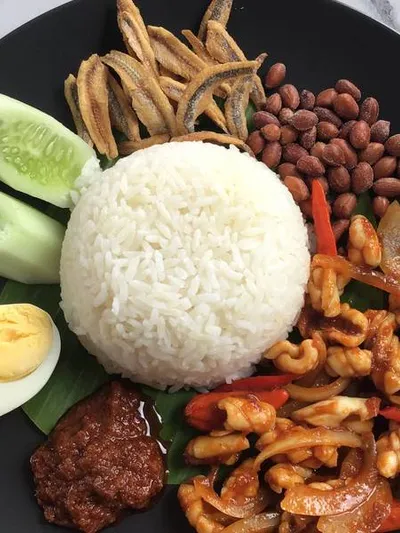
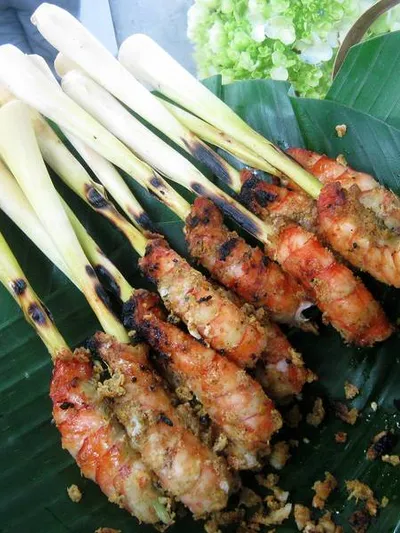
Three dishes that cover the range — one Malay, one Indian-Malaysian, one Mamak. Different food cultures, all common.
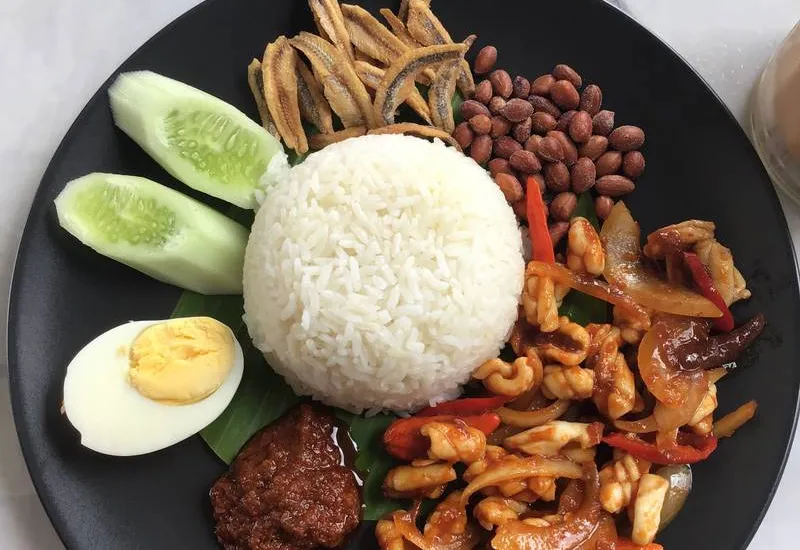
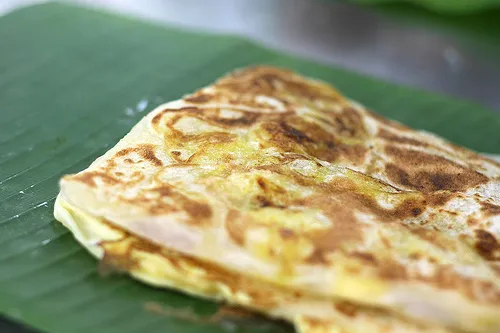
A longer reading order lives on the Eat this first page — a sequence for someone who has never been.
See all twelve dishes →Or browse by…
Five food
cultures, one
country.
From polite
to genuinely hot.
How the food
system works.
Cheaper than a
Copenhagen kebab.
Breakfast at 6am.
Same dish, midnight.
What's in it
you didn't see.
No superlatives. No hype. No vague “affordable.”
Six rules I keep, so you can trust the rest.
- RULE 01
Voice you could not generate.
If a generic travel blog could write this sentence, I rewrite it.
- RULE 02
Hidden ingredients, listed.
Belacan, lard, ghee, fish stock — written down where the dish is described.
- RULE 03
Prices in MYR and DKK.
“Affordable” alone is not a useful word for a Dane planning a trip.
- RULE 04
No named restaurants.
Categories only — hawker centre, kopitiam, mamak. The good ones change.
- RULE 05
Halal explained, not preached.
Practical context for a secular European, not religious education.
- RULE 06
Honest spice levels.
Calibrated to a Northern European palate, not the local baseline.